
Japan empowers aquaculture and fisheries sectors in BARMM
2026/2/13
The Government of Japan, in partnership with the Food and Agriculture Organization of the United Nations (FAO), launched the two-year project, “Development of a Sustainable Fishery Value Chain in the Bangsamoro Autonomous Region in Muslim Mindanao (BARMM)” signed in 2025.
The project aims to strengthen the productivity and resilience of the aquaculture and fisheries sectors in BARMM, one of the regions with the greatest potential in fish industry in the Philippines, by developing sustainable local value chains. It supports small-scale producers through capacity-building activities, promotes alternative high-value species and value-adding processes, and enhances the knowledge and skills of stakeholders.
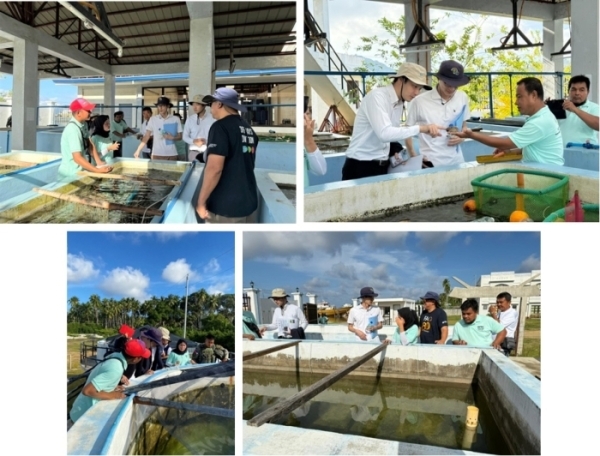
As part of ongoing project monitoring, First Secretary and Agriculture Attaché Mr. AKASAKA Hidenori visited related sites in Tawi-Tawi Province on 10 February 2026 to observe the progress and exchange views with the BARMM government, LGUs and beneficiaries.
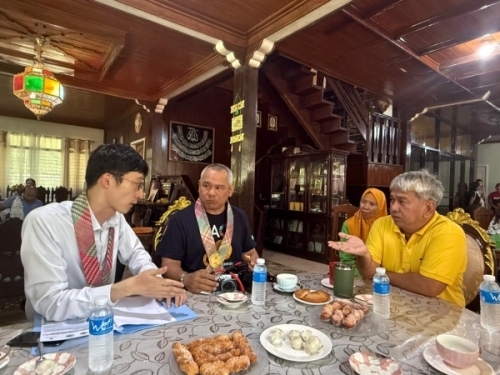
Mr. Akasaka also paid a courtesy call on Panglima Sugala Municipal Mayor Nurbert Sahali and other local government officials. During the discussion, he emphasized the importance of collaboration with partners, including the local government, to ensure that the project delivers tangible benefits to the community and supports its long-term development.
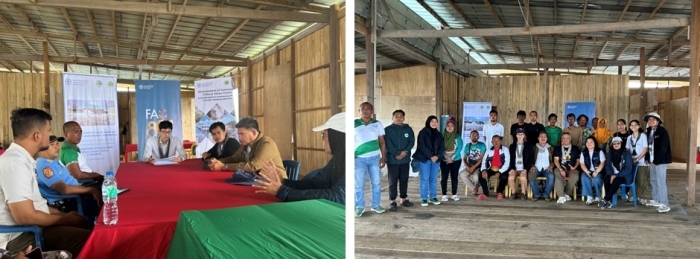
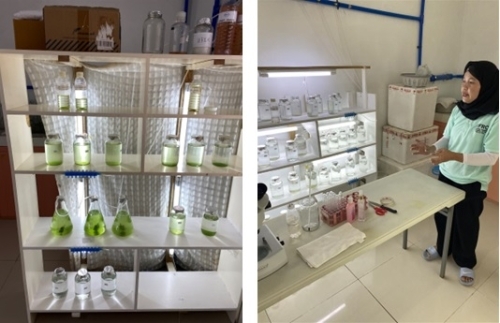
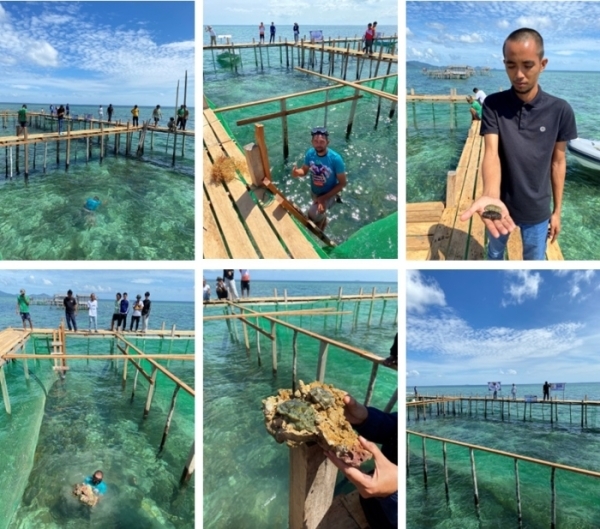
Furthermore, Mr. Akasaka visited Barangay Karaha in Panglima Sugala, where he met with community-based fisherfolk organizations supported by the project in establishing various hatcheries including sea cucumber, algae, and abalone hatcheries, among others. He also visited the Ministry of Agriculture, and Agrarian Reform (MAFAR)-owned freshwater hatchery in Bongao to discuss its rehabilitation progress, which is likewise supported by the project.
During his engagements with project partners and fisherfolk, Mr. Akasaka emphasized the importance of these hatcheries in promoting sustainable aquaculture and strengthening the market linkages. He further highlighted the role of effective and sustainable marine resource management in enhancing food security, supporting livelihoods, and building resilience within the community and the region.
The project aims to strengthen the productivity and resilience of the aquaculture and fisheries sectors in BARMM, one of the regions with the greatest potential in fish industry in the Philippines, by developing sustainable local value chains. It supports small-scale producers through capacity-building activities, promotes alternative high-value species and value-adding processes, and enhances the knowledge and skills of stakeholders.
As part of ongoing project monitoring, First Secretary and Agriculture Attaché Mr. AKASAKA Hidenori visited related sites in Tawi-Tawi Province on 10 February 2026 to observe the progress and exchange views with the BARMM government, LGUs and beneficiaries.
Mr. Akasaka also paid a courtesy call on Panglima Sugala Municipal Mayor Nurbert Sahali and other local government officials. During the discussion, he emphasized the importance of collaboration with partners, including the local government, to ensure that the project delivers tangible benefits to the community and supports its long-term development.
Furthermore, Mr. Akasaka visited Barangay Karaha in Panglima Sugala, where he met with community-based fisherfolk organizations supported by the project in establishing various hatcheries including sea cucumber, algae, and abalone hatcheries, among others. He also visited the Ministry of Agriculture, and Agrarian Reform (MAFAR)-owned freshwater hatchery in Bongao to discuss its rehabilitation progress, which is likewise supported by the project.
During his engagements with project partners and fisherfolk, Mr. Akasaka emphasized the importance of these hatcheries in promoting sustainable aquaculture and strengthening the market linkages. He further highlighted the role of effective and sustainable marine resource management in enhancing food security, supporting livelihoods, and building resilience within the community and the region.